




Electric Digger Hire in New Zealand - A Practical Guide to Choosing the Right Machine, Planning Power, and Avoiding Downtime
Electric diggers are showing up more and more across Auckland, Waikato and Northland, especially where noise, fumes, and neighbourhood disruption matter. If you are hiring one for the first time, the job usually goes one of two ways:
- it runs quietly and efficiently and you get a tidy result with less disruption
- or charging and access were not planned and the day turns into avoidable downtime
This guide is written for NZ conditions and self-operated hire (we hire electric diggers without operators). It covers where electric excavators work best, how to choose the right size, and what to check so your charging plan is sorted before delivery.
If you want a fast recommendation, send your job details plus a couple of photos. We will suggest the best-fit electric digger and attachments, confirm charging requirements, and then provide a quote.
Electric digger hire - why it is growing in Auckland, Waikato and Northland
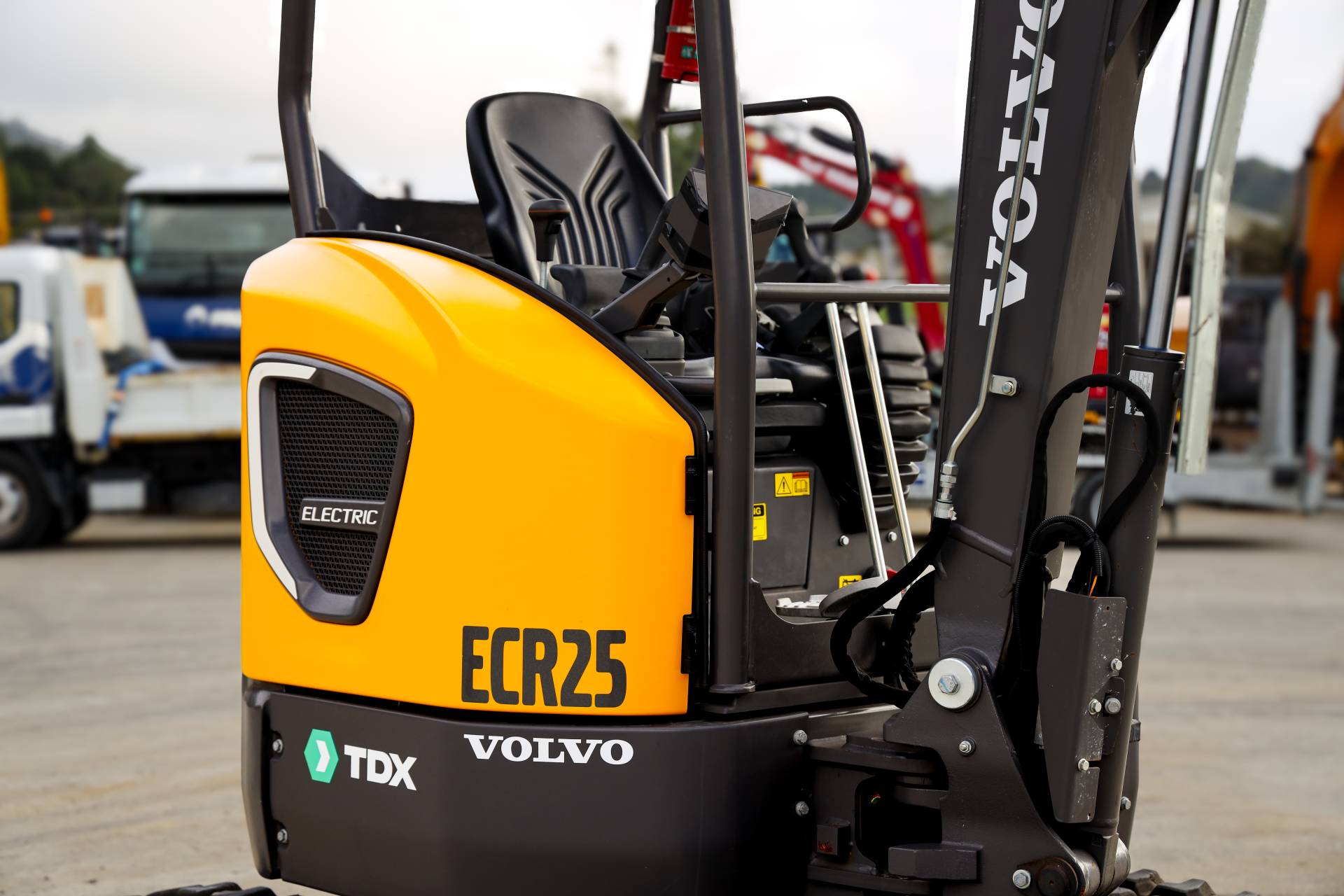
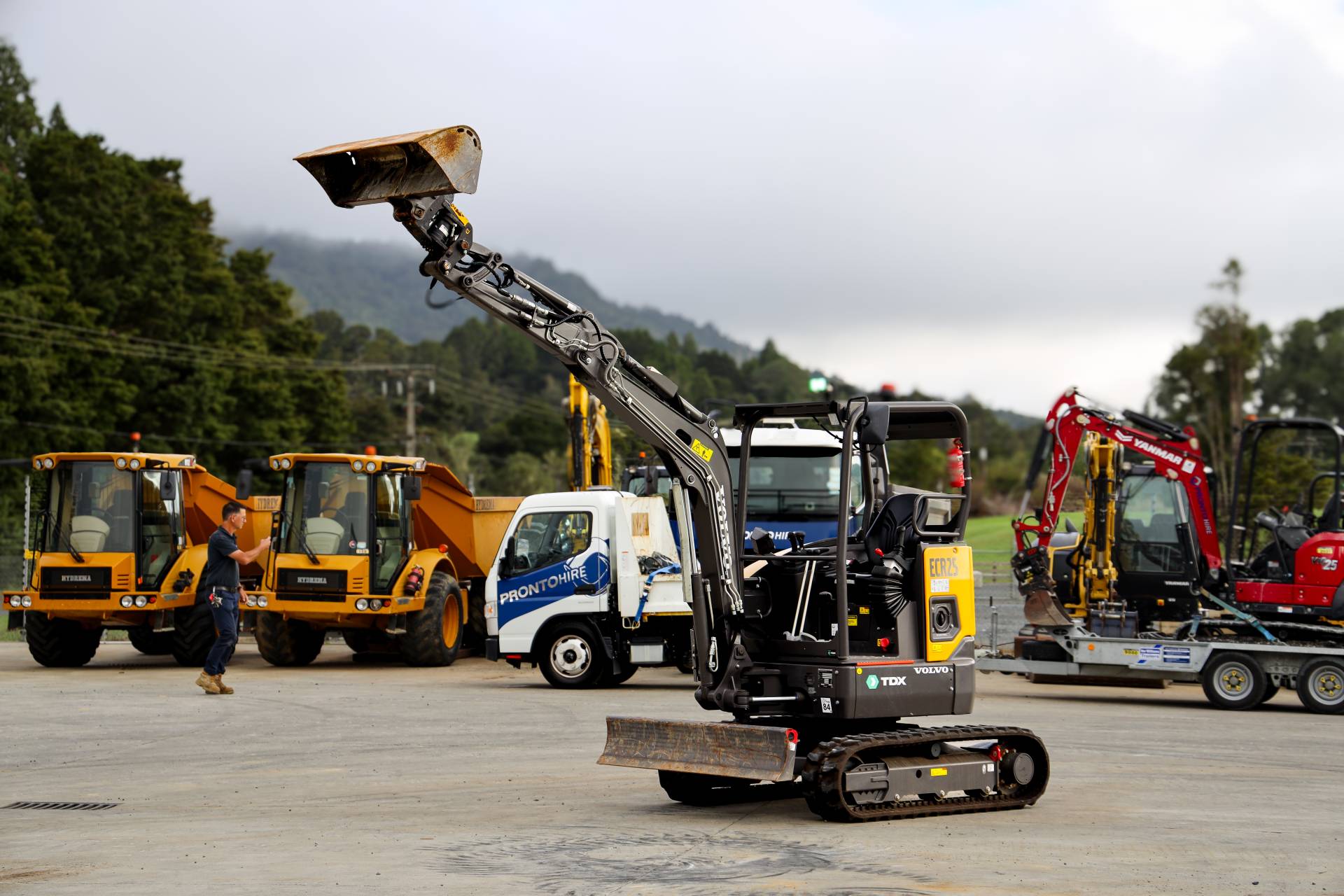
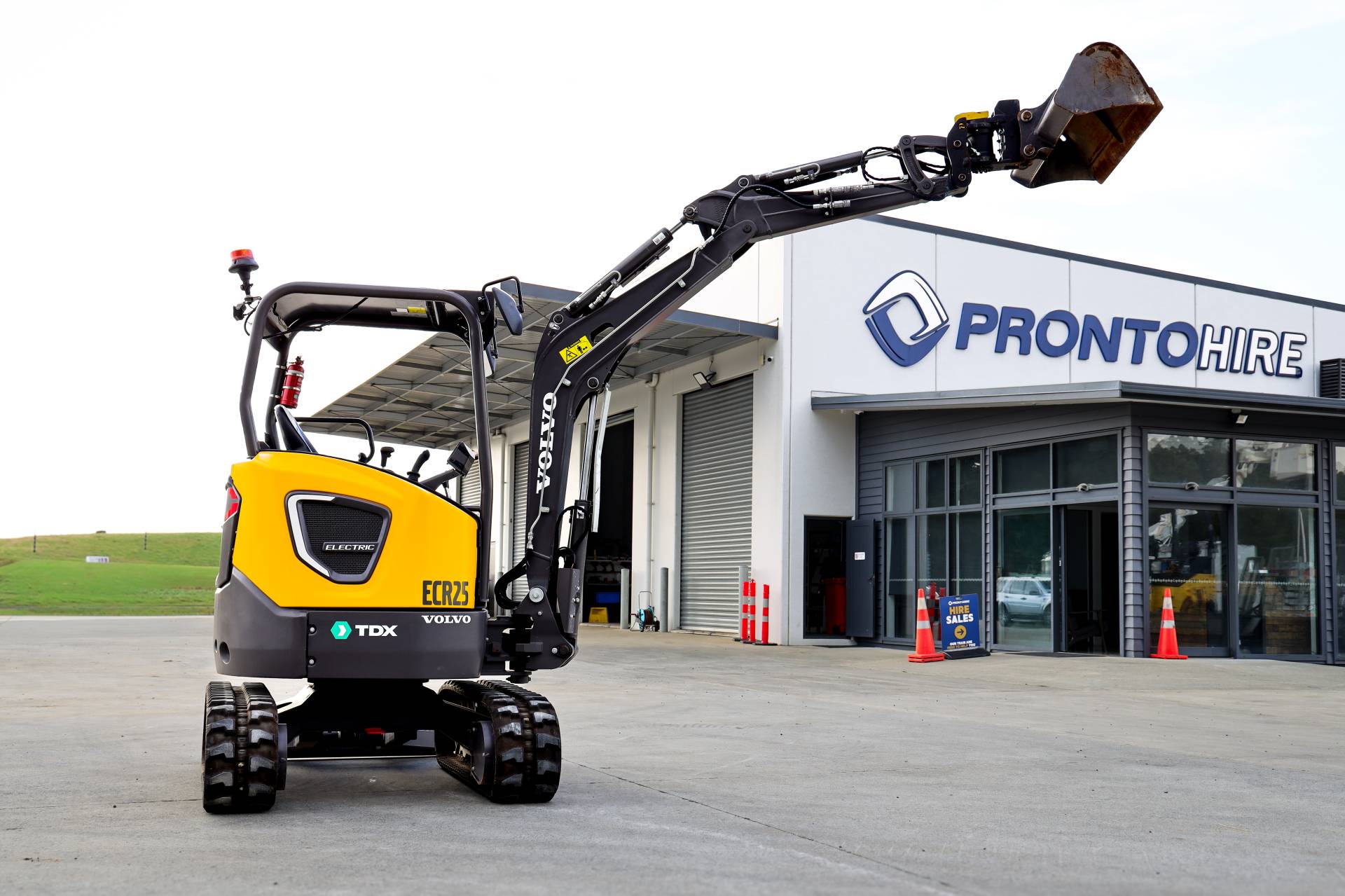
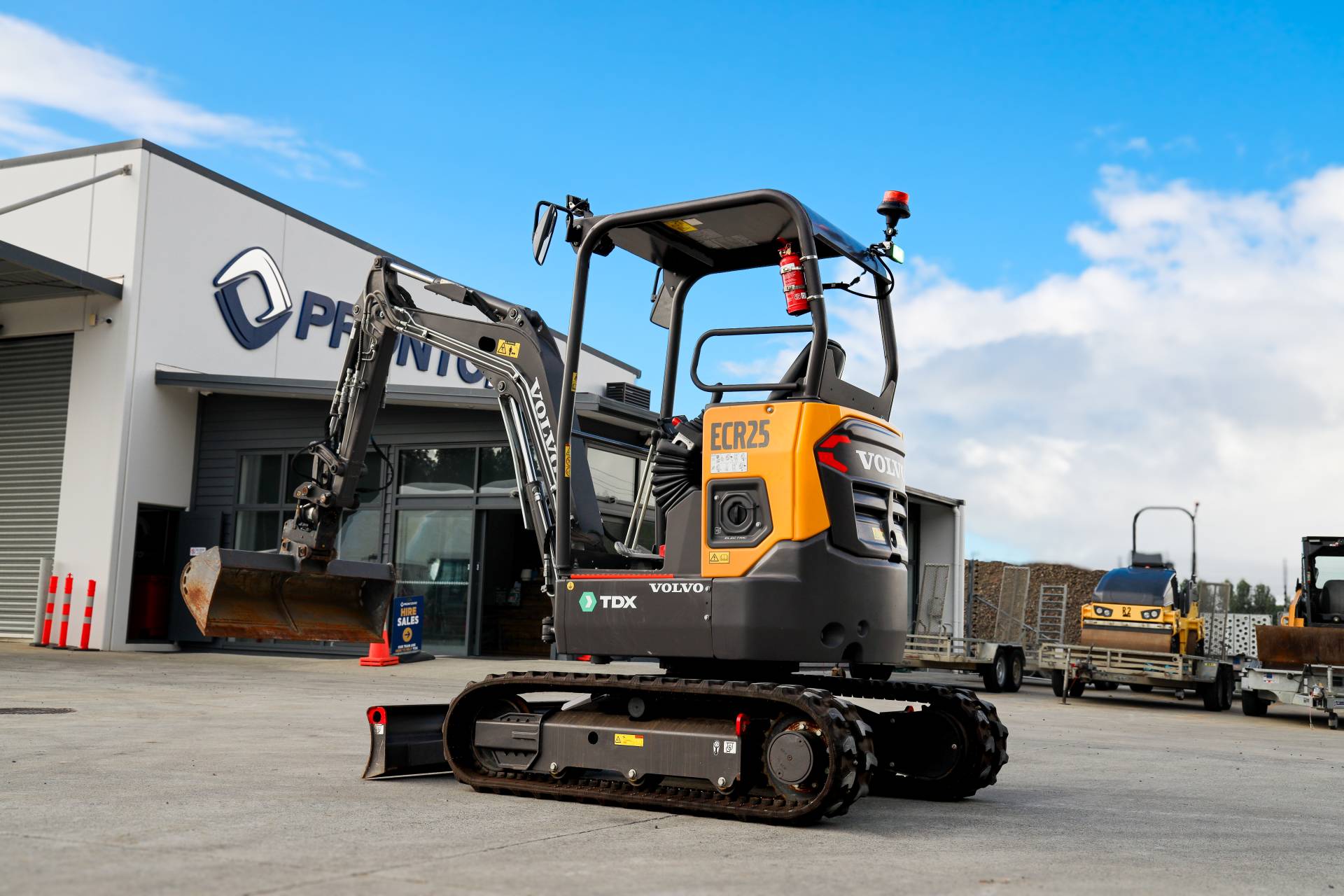
Electric mini excavators suit a lot of the work we see locally:
-
Auckland: tight-access sites, shared driveways, noise-sensitive suburbs, apartment and townhouse developments, and work near busy pedestrian areas
-
Waikato: residential growth areas, lifestyle blocks close to homes, and jobs where you still have reliable access to power on site
-
Northland: smaller residential projects, coastal properties, and jobs where reducing noise and fumes makes working around occupied homes easier (power access planning matters more on rural sites)
They can be a strong option for:
-
residential trenching and drainage
-
urban services work (power, fibre, water)
-
tight-access backyard landscaping
-
noise-sensitive sites near schools, medical centres, and apartments
-
projects where clients want low-emissions plant options for tenders or reporting
Electric vs diesel mini excavators - what actually changes on site
Less noise and less nuisance
In NZ suburbs where neighbours are close and driveways are shared, reduced noise can make a real difference, especially for early starts and all-day trenching.
No diesel exhaust at the machine
Useful on sensitive sites and partially enclosed spaces, subject to ventilation and site rules.
Power planning replaces fuel planning
Instead of fuel top-ups, you need to confirm:
-
where you will charge
-
what power is available
-
when charging can happen without holding up the job
When to hire an electric digger in NZ
These are the scenarios where electric often makes sense:
Residential drainage and services
Trenching for drains and utilities is one of the most common use cases. You get the control you need for tidy work, with less noise in tight neighbourhoods.
Tight-access landscaping and backyard work
Older NZ sections often mean narrow side access, steps, and limited turning room. If access is tight, measuring properly matters more than anything else.
Urban work with traffic management
Less noise and no exhaust at the machine can help when you are working near pedestrians, shops, and road corridors.
Noise-sensitive sites
Schools, hospitals, apartments, and hospitality sites often benefit most, especially if the job runs during business hours.
When an electric digger might not be the best fit
Electric can still work in many cases, but plan carefully if your job is:
-
remote or rural with no practical power access
-
high duty-cycle all day with little downtime
-
heavy continuous attachment work (especially breaking)
-
tightly programmed with no allowance for charge windows
If any of these apply, tell us early. We can advise on machine selection, attachment choice, and a charging plan. In some cases, diesel may be the better tool for the job.
What size electric digger do I need?
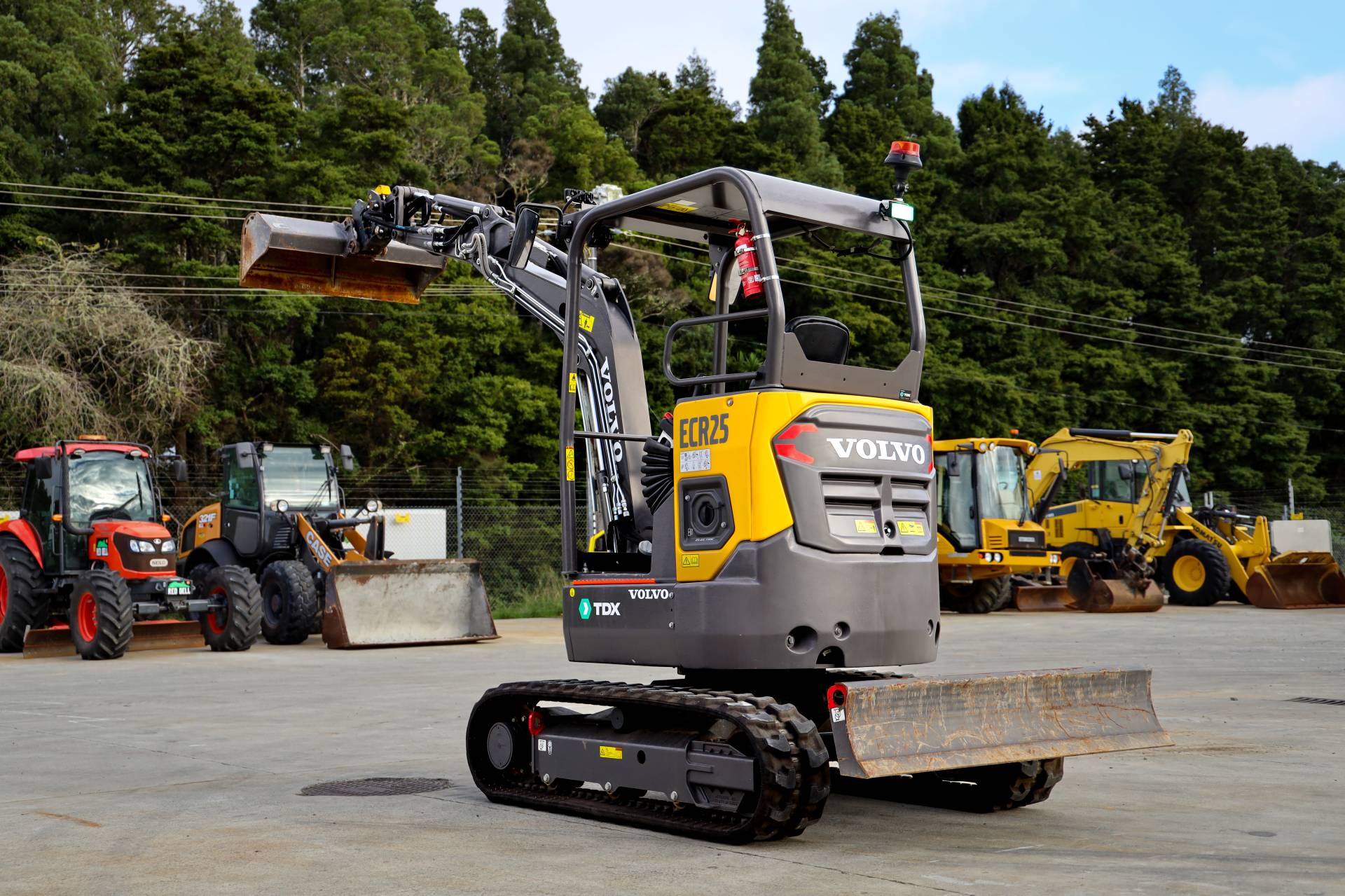
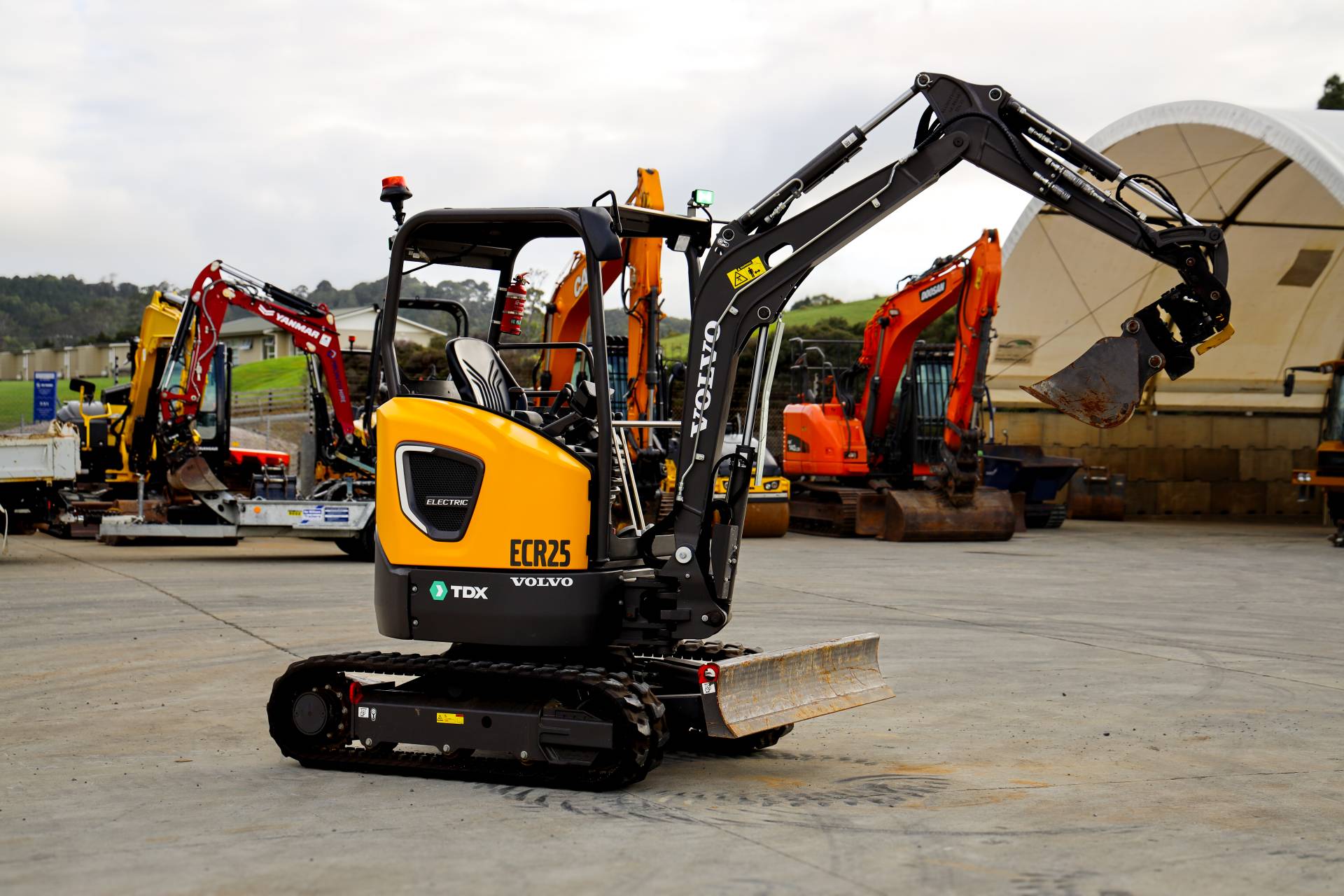
Choosing the right size is mainly about access, reach, and ground conditions.
Measure access first (NZ reality check)
Before you book, measure:
-
narrowest point - gates, side paths, between buildings
-
turning space in the work zone
-
overhead restrictions - eaves, trees, cables
-
where the machine will be delivered and how it gets to the dig area
Tip: a quick phone video walking the access path often answers questions faster than descriptions.
Match the machine to the job
Be clear on:
-
trench length and depth (or approximate volume)
-
soil type - soft topsoil vs heavy clay vs mixed fill
-
spoil plan - stockpile location or load-out point
-
finish expectation - rough dig vs clean trim and grade
How long does an electric digger battery last?
Battery runtime depends on task and operating style. In NZ conditions, these factors usually matter most:
What drains the battery fastest
-
digging in heavy clay or mixed rubble
-
long tracking distances, especially on slopes
-
repetitive lifting and carrying
-
continuous heavy attachment use
What helps runtime go further
-
staging spoil and materials to reduce tracking
-
working methodically in one area before relocating
-
steady, smooth operation instead of constant max-demand movements
-
planning attachment use rather than running high-drain tools longer than needed
If you tell us what you are doing and how long you need to run per day, we can recommend a setup and charging approach that matches your schedule.
Charging an electric digger on site - what you need to plan
Charging is simple if you confirm three things.
1) What power is available?
Tell us:
-
where the nearest suitable power point is
-
whether access is available during the day and after hours
-
any site restrictions on power use
2) Can leads be run safely?
Think about:
-
distance from power to charging location
-
trip hazards and vehicle routes
-
weather protection and site rules
-
security if charging overnight
3) When will you charge?
Even a basic plan helps:
-
top-up during lunch
-
charge during natural downtime
-
overnight charge where approved
If you are unsure, send a photo of the proposed charging spot and the nearest power point.
Electric digger attachments - what to consider
Attachments can change both productivity and runtime. Let us know if you need:
-
trenching buckets (sizes if known)
-
clean-up or grading buckets
-
auger
-
breaker
-
specialist tools
If you are planning heavy attachment use, mention it early so we can factor it into the recommendation.
Hiring an electric digger without an operator - what you need to know
We hire electric diggers without operators. You should have:
-
competent operators and a clear site plan
-
services located before digging
-
safe travel routes and exclusion zones
-
a compliant charging setup and lead management
-
site approval for any work in enclosed or sensitive environments
What to send us for the right recommendation and a quote
We do not publish hire costs because every job varies by machine size, duration, delivery, and attachments. To quote quickly and accurately, send:
Job details
-
suburb or site location
-
dates and expected duration
-
what you are doing (trenching, drainage, services, landscaping)
Site constraints
-
narrowest access width
-
trench length/depth or approximate volume
-
ground conditions and slope
Charging info
-
what power is available and where
-
any restrictions on charging times or after-hours access
Attachments
-
bucket sizes (if known)
-
auger/breaker/other tools
Photos or video (recommended)
-
access path from street to work area
-
dig zone and spoil area
-
power point location and proposed charging area
Electric digger hire FAQs (NZ)
Can electric diggers handle NZ clay and mixed fill?
Yes, provided the machine size is matched to the job and you plan runtime. Heavy clay and mixed fill can increase battery demand.
Can I charge from standard site power?
Often yes, but it depends on the machine and your site setup. Tell us what power you have available and we will advise the best approach.
Are electric diggers ok in wet weather?
They are designed for outdoor site conditions, but charging setup and lead safety still matter. Follow site rules and safe electrical practice.
Can I run an auger or breaker on an electric digger?
Usually yes. Continuous heavy attachment use can increase battery drain, so it is important to plan for it.
Is an electric digger suitable for indoor work?
It can be, subject to ventilation, access, and site rules. Always confirm requirements with the site manager and safety plan.
What happens if the battery runs low mid-job?
With the right planning this should not be a surprise. Tell us your expected daily run time and we will help you set up a charging plan.
Ready to hire an electric digger?
If you want us to recommend the right electric digger for your NZ site, send your job details and a couple of photos. We would love to help out!
Similar
Articles
Donation
Request
While we appreciate the many causes that reach out to us, we are not able to support every request we receive. We carefully evaluate each opportunity to ensure alignment with our mission and resources. Thank you for your understanding.
Request
hire
Make an
enquiry

