




Hiring Smart This Winter: Machinery Hire Tips for Wet NZ Job Sites
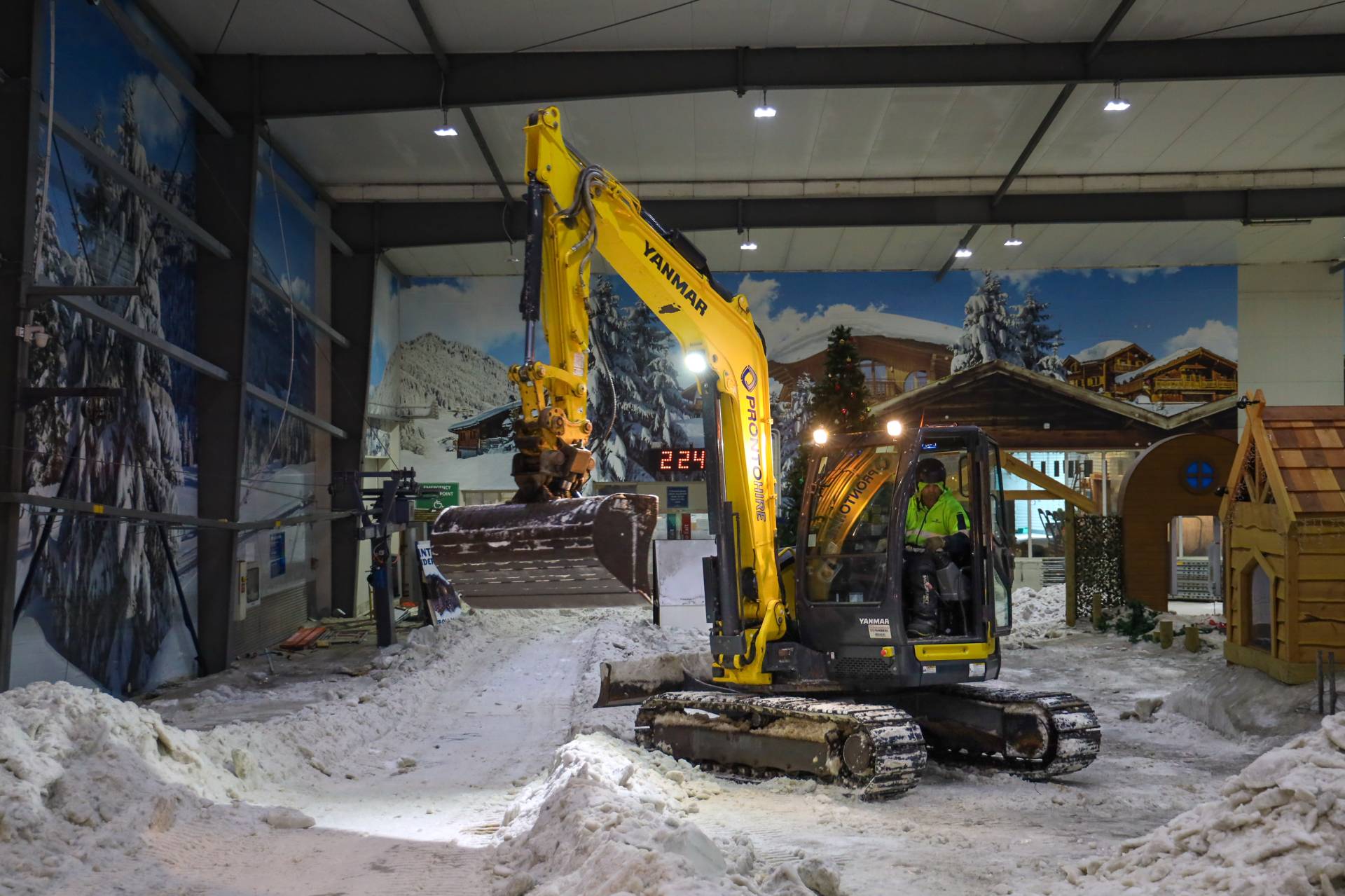
Winter on a New Zealand job site can make even straightforward work more difficult. Softer ground, wet accessways, surface damage, mud, standing water and shorter weather windows can all slow a project down if the right gear is not lined up early.
Whether you are working on a residential site, civil project, landscaping job, drainage run, driveway, subdivision, farm access track, maintenance job or construction site, winter hire planning comes down to one thing: matching the machine to the conditions.
The right equipment can help keep material moving, reduce unnecessary ground damage, improve site access, support compaction standards and give your crew a better chance of staying productive when the weather turns.
At Pronto Hire, we supply machinery and support gear for projects across Auckland, North Auckland, Warkworth, Silverdale and surrounding areas, with a practical fleet covering excavation, earthmoving, transport, compaction, access, water carts, attachments and more.
Here are a few key things to think about before hiring gear for winter work.
1. Choose Rubber Tracks for Soft, Wet or Sensitive Ground
Wet ground changes how a machine performs. A machine that works well in dry summer conditions can quickly start leaving marks, sinking into softer areas or struggling for traction once the ground gets waterlogged.
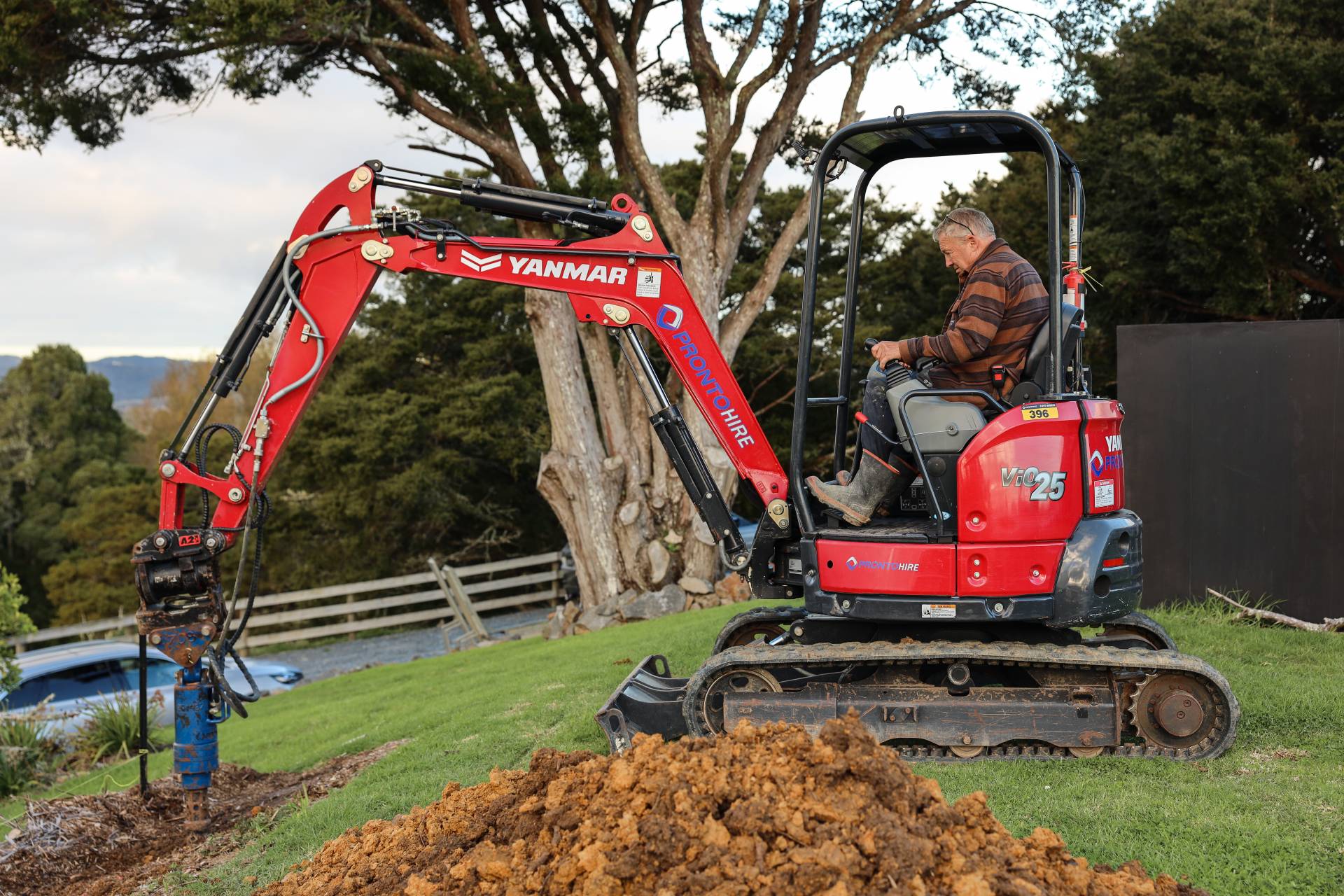
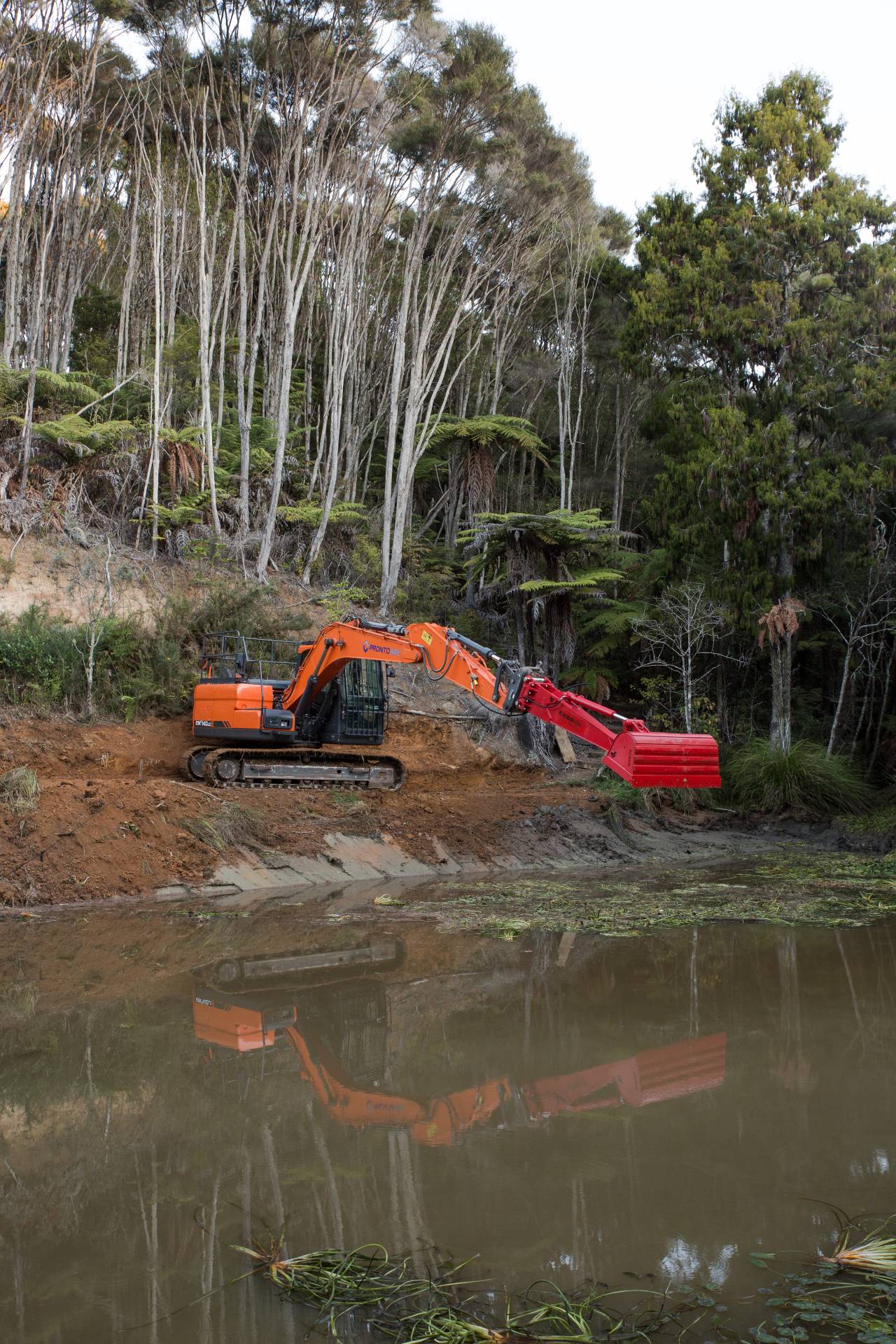
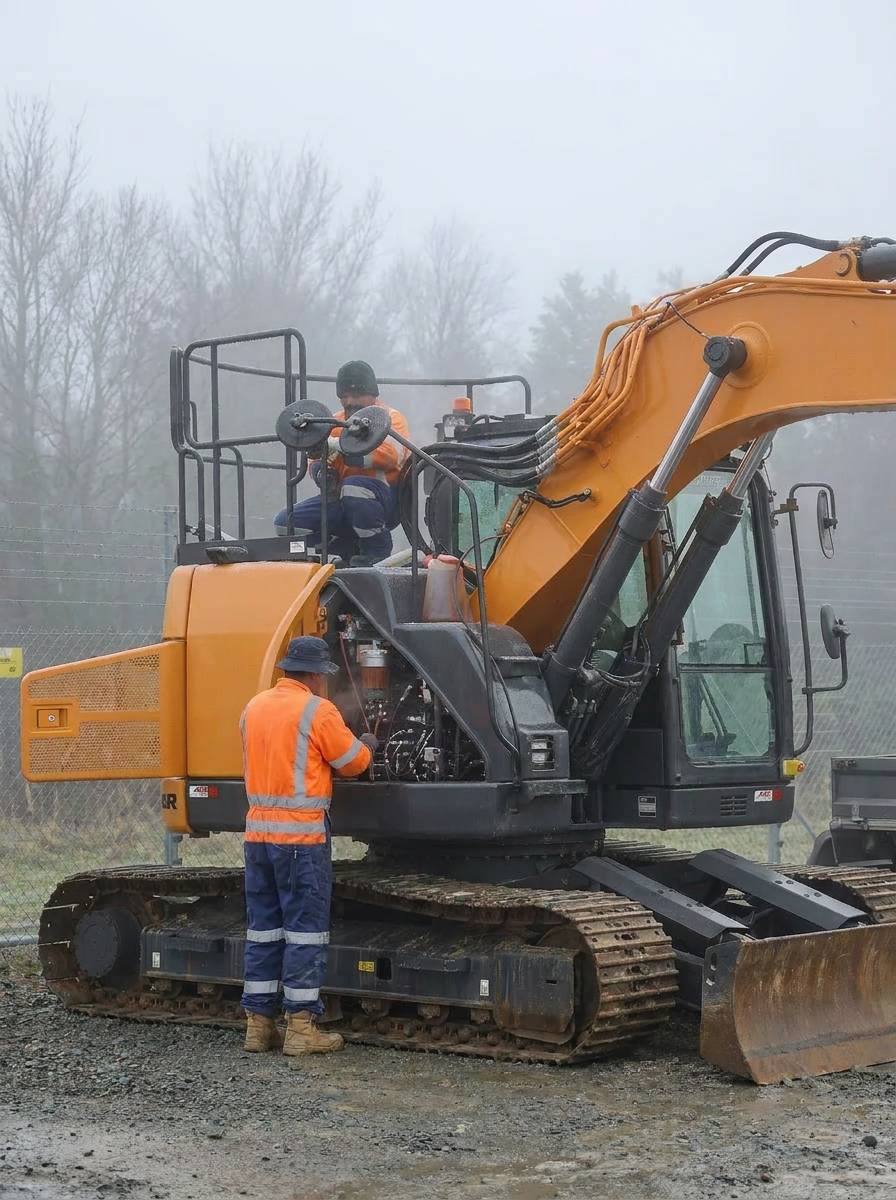
For many winter jobs, especially residential and tight-access work, compact excavators with rubber tracks are a smart choice. Rubber tracks spread machine weight more evenly than wheels and are generally better suited to lawns, driveways, paved areas, finished surfaces and softer ground where you want to reduce unnecessary surface damage.
Rubber-tracked diggers are useful for:
- Residential excavation
- Drainage and trenching
- Driveway preparation
- Landscaping and retaining work
- Tight-access earthmoving
- Small civil works
- Service trenching
- Site clean-ups
- Work around existing buildings or finished surfaces
For winter conditions, it is worth thinking beyond machine size alone. Access width, ground condition, reach, dig depth, attachment needs and spoil movement all affect which excavator will suit the job best.
A smaller digger may be the better option where access is tight or ground is sensitive, while a larger excavator may be needed when the job requires more reach, breakout force or productivity. If the site is soft, sloped or confined, it is worth talking through the conditions before booking the machine.
2. Match Your Compaction Gear to Wet Conditions
Compaction is one of the areas where winter conditions can cause real problems. Wet material, soft trenches, unstable fill and changing ground moisture can all affect the end result. Using the wrong machine can mean poor compaction, delays, rework or failed preparation.
The best compaction gear depends on the material, site size, trench width and finish required.
Trench rammers
Trench rammers are a practical choice for confined areas and narrow trenches. They are commonly used for drainage, service trenches, pipework, foundations, footings and small reinstatement work where a larger compactor cannot fit.
They are useful when you need focused compaction in tight spaces, particularly around trench bases or backfill layers.
Plate compactors are well suited to smaller areas, granular material, paving preparation, landscaping work, driveway prep, paths, patios and general reinstatement. They are compact, easy to transport and useful for finishing areas that larger rollers cannot reach.
For winter jobs, they are often used where crews need to tidy and compact smaller work zones quickly between weather changes.
Rollers are better suited to larger surfaces, access tracks, driveways, car parks, roads, hardstand areas and civil works.
Depending on the job, this may include smooth drum rollers, padfoot rollers or pneumatic tyre rollers. Each has a different role:
Smooth drum rollers are commonly used for granular materials, basecourse, asphalt preparation and finishing work.
Padfoot rollers are useful for cohesive soils and deeper compaction where the drum needs to knead and compact material more aggressively.
PTR rollers can support surface compaction and finishing across larger areas where tyre contact helps achieve a more even result.
Winter compaction is not just about having “a compactor”. It is about using the right compaction method for the material and the finish required.
3. Keep Material Moving with Tracked Dumpers
Wet sites often create access problems before they create excavation problems. Spoil, aggregate, mulch, clay, metal, sand and general site material still need to move, but wheeled machines can bog down, slip or churn up accessways when the ground is soft.
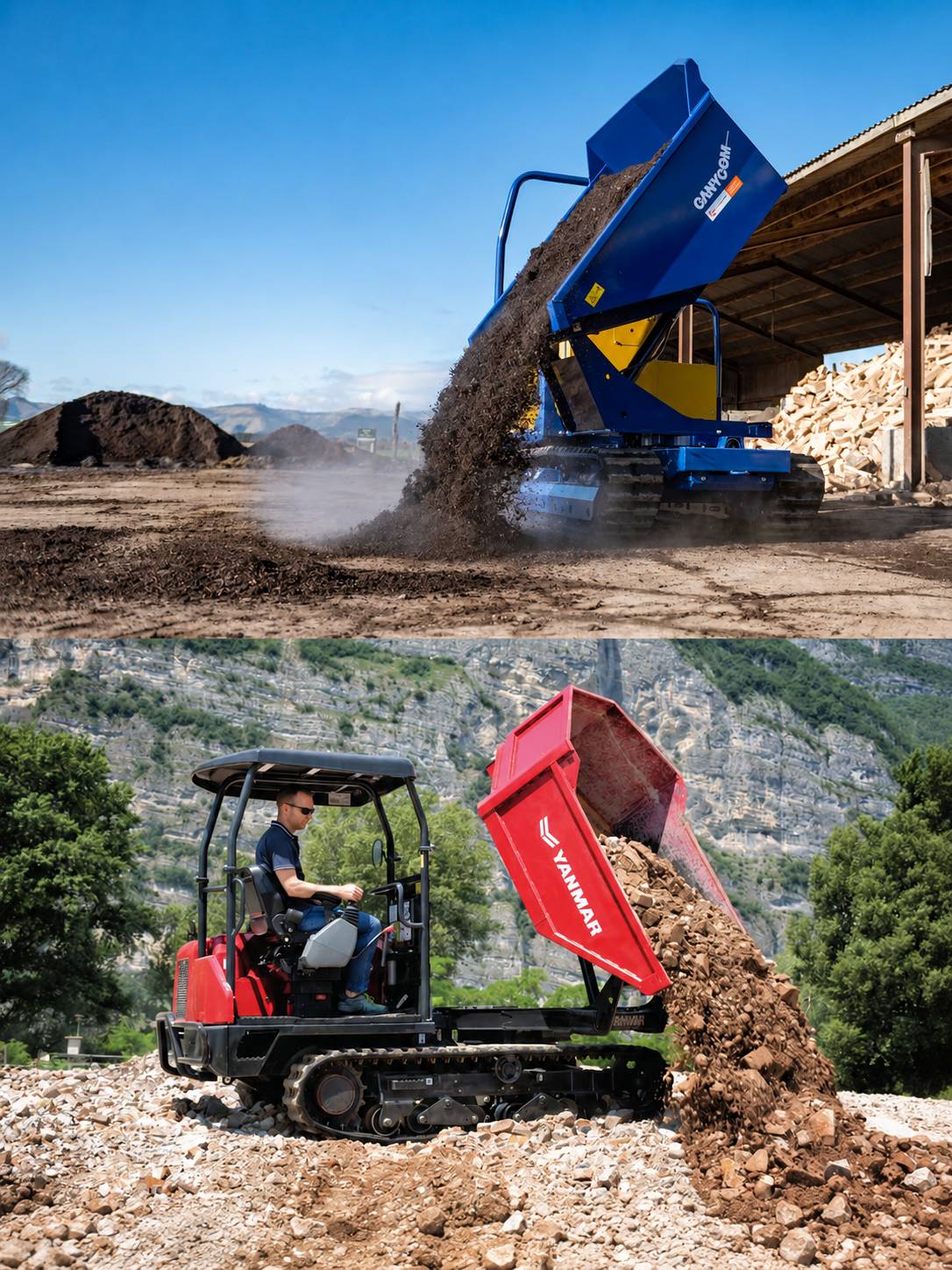
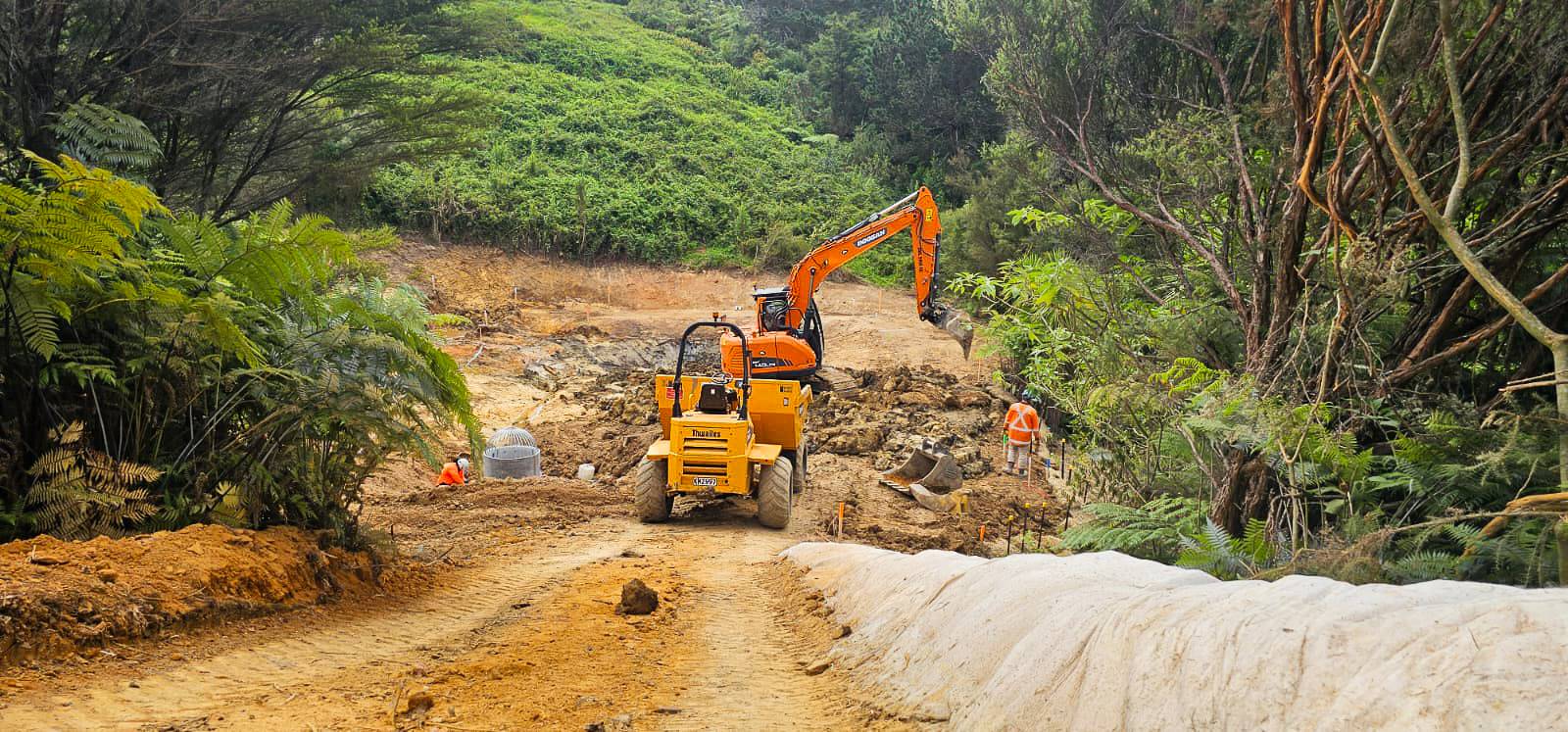
Tracked dumpers are a practical option for winter works because they offer better traction and lower ground pressure than many wheeled alternatives. They are especially useful where access is narrow, uneven, muddy or too soft for trucks and larger wheeled machines.
Tracked dumpers can help with:
- Moving spoil from excavation areas
- Transporting aggregate or basecourse
- Shifting mulch, soil, sand or clay
- Supporting landscaping and drainage work
- Working alongside compact excavators
- Reducing wheel rutting on soft accessways
- Moving material through tight or restricted sites
For residential and landscaping work, a tracked dumper paired with a compact excavator can be a very efficient setup. The excavator handles the digging, loading or trimming, while the dumper keeps material moving without relying on wheelbarrows or larger trucks getting too far into the site.
This can make a real difference when access is wet, narrow or easily damaged.
4. Think Carefully About Truck Access in Winter
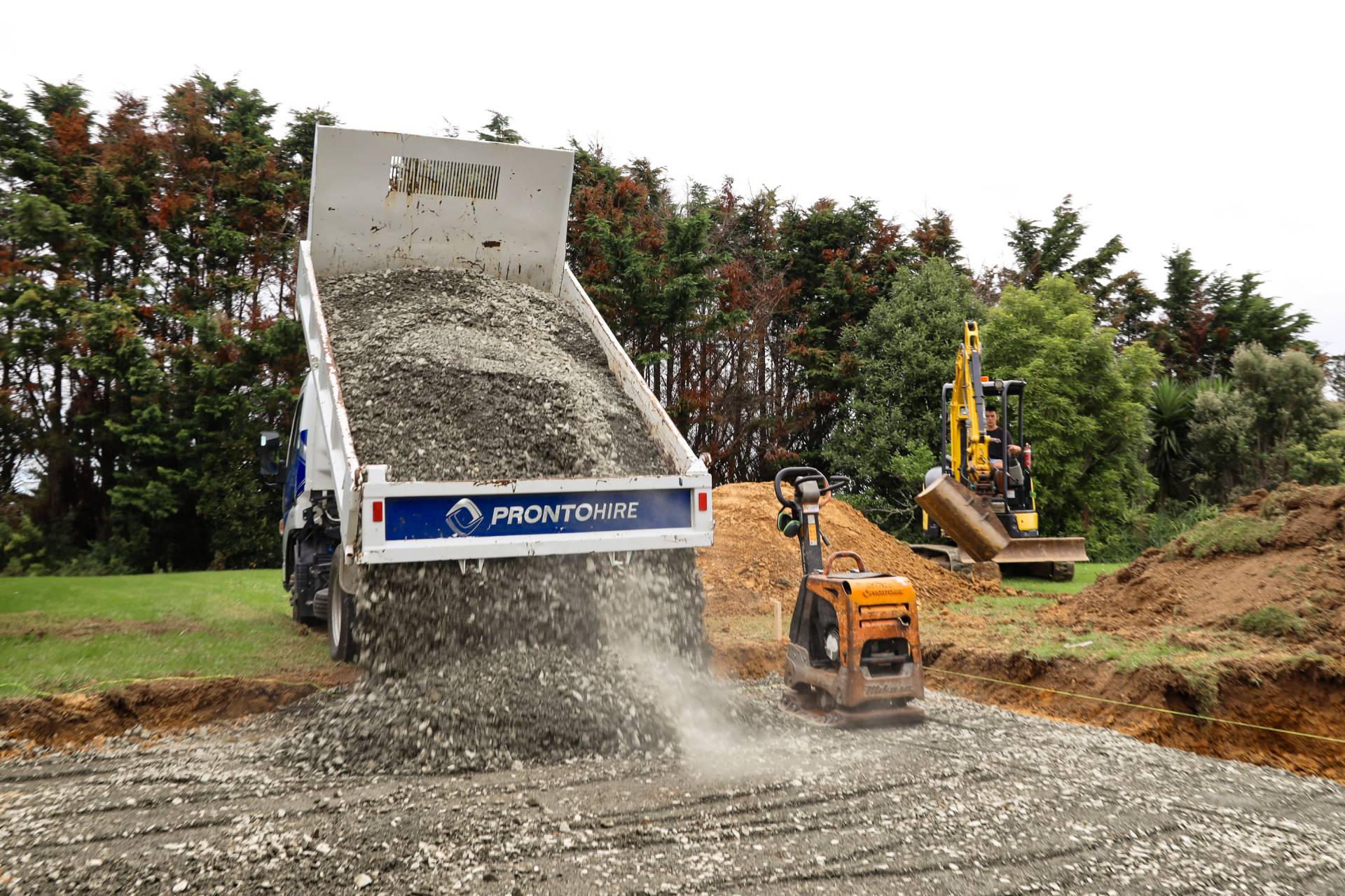
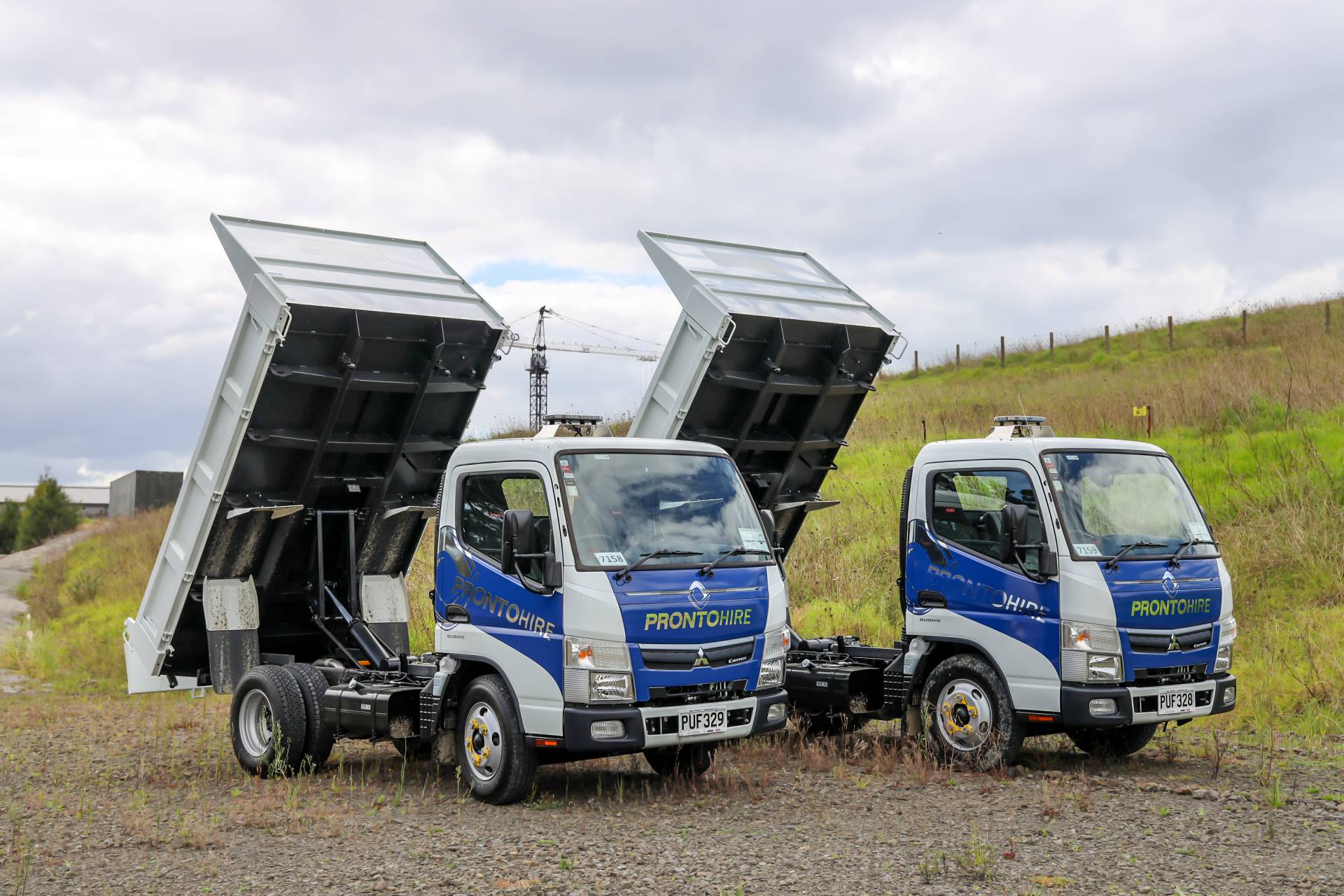
Tipper trucks are a key part of many jobs, but winter access needs a bit more planning. Wet driveways, soft verges, narrow entrances, steep access, grassed areas and unfinished tracks can all make truck movement harder.
Before booking truck hire, it is worth checking:
- Can the truck safely access the loading or tipping area?
- Is there enough room to turn around?
- Will the surface support the truck when loaded?
- Is there a better place to stockpile material?
- Would a dumper be better for the final section of access?
- Is the site likely to become too wet after rain?
In many cases, the best winter setup is a combination of gear. A tipper truck can handle transport to and from site, while an excavator and tracked dumper manage movement within the site itself.
This reduces the need to push trucks into areas where they may get stuck or cause damage.
Tipper truck hire is commonly used for:
- Spoil removal
- Aggregate delivery
- Landscape material transport
- Site clean-up
- Small civil works
- Driveway and access track preparation
- Construction and drainage jobs
Planning the access route early can save time, reduce delays and help avoid damage to the property or surrounding area.
5. Use the Right Attachments for the Job
Attachments can make a big difference in winter because they help one machine do more of the right kind of work. Instead of hiring a larger machine or sending extra labour to site, the right attachment can help with drilling, breaking, clearing, trenching, mulching or handling material.
Depending on the machine and job, useful winter attachments may include:
- Augers for post holes, foundations and fencing work
- Rock breakers for concrete, rock or hard ground
- Buckets for trenching, digging, shaping and clean-up
- Grabs or handling attachments for clearing and sorting
- Mulchers for vegetation and site clearing
- Other excavator attachments suited to the task
The key is making sure the attachment suits the carrier machine, the job conditions and the material being worked. Wet ground can change how a machine sits, tracks and handles load, so it is worth checking the setup before the job starts.
6. Plan Access Equipment Around Ground Conditions
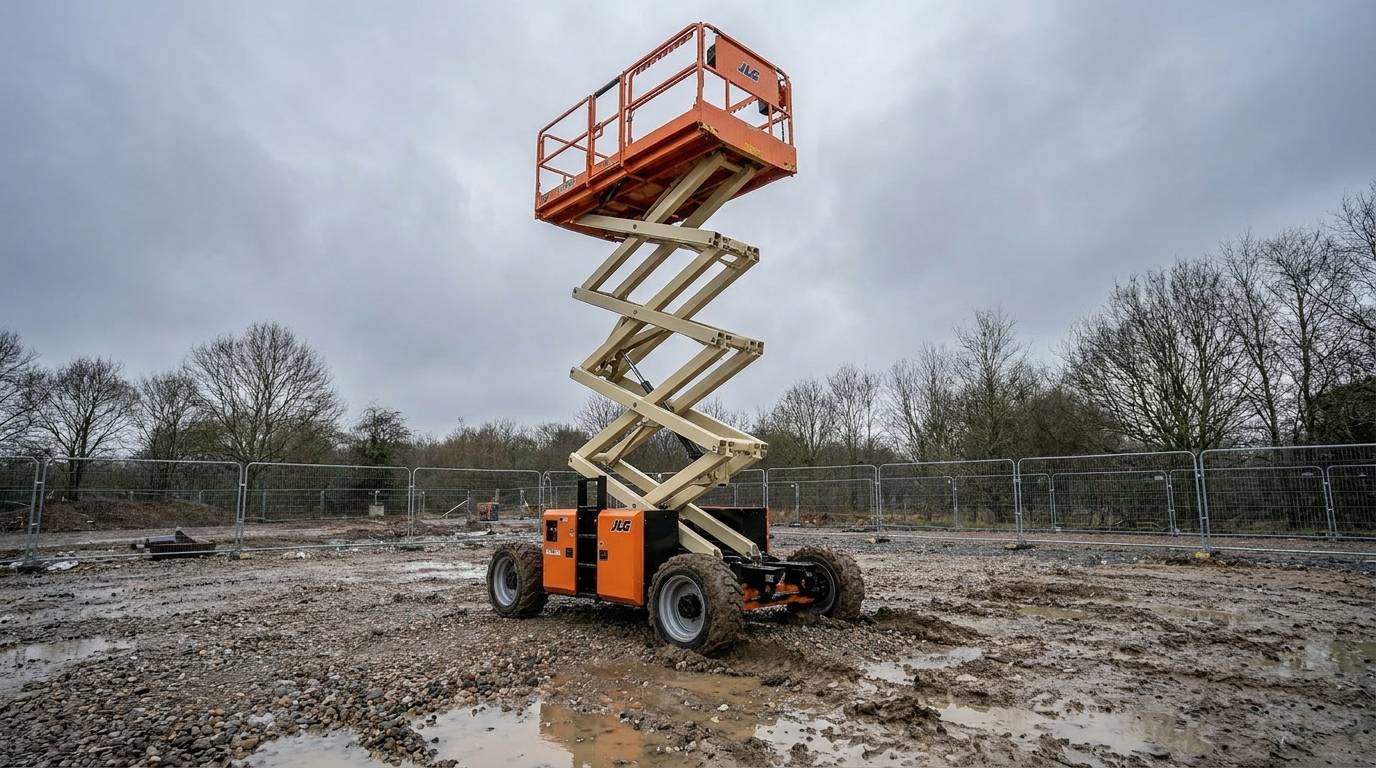
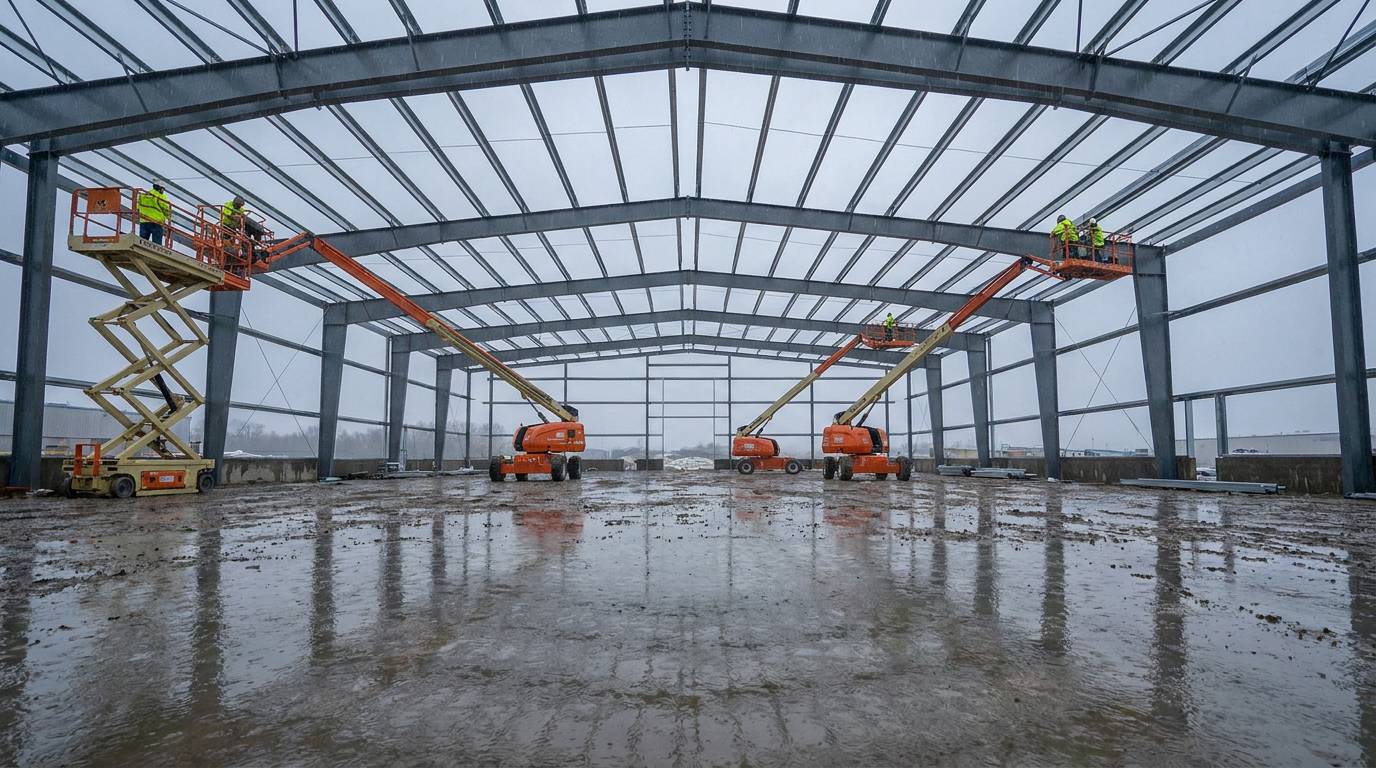
Winter conditions also matter when hiring access equipment. Scissor lifts, rough terrain scissor lifts, boom lifts and other access gear need suitable ground conditions, safe setup areas and clear travel paths.
Before hiring access equipment, consider:
- Is the work indoors, outdoors or both?
- Is the ground level and firm enough?
- Will the machine need to move across gravel, grass or unfinished ground?
- Is a rough terrain option required?
- What working height and platform size are needed?
- Are there overhead hazards, slopes or access restrictions?
- Will weather affect safe operation?
For slab, warehouse and indoor work, standard scissor lifts may suit. For outdoor areas or less prepared surfaces, rough terrain access equipment may be more appropriate.
7. Do Not Forget Lighting, Chippers and Site Support Gear
Winter work is not only about earthmoving. Shorter days, wet vegetation, storm clean-up and general site support can create demand for additional hire gear.
Depending on the job, this may include:
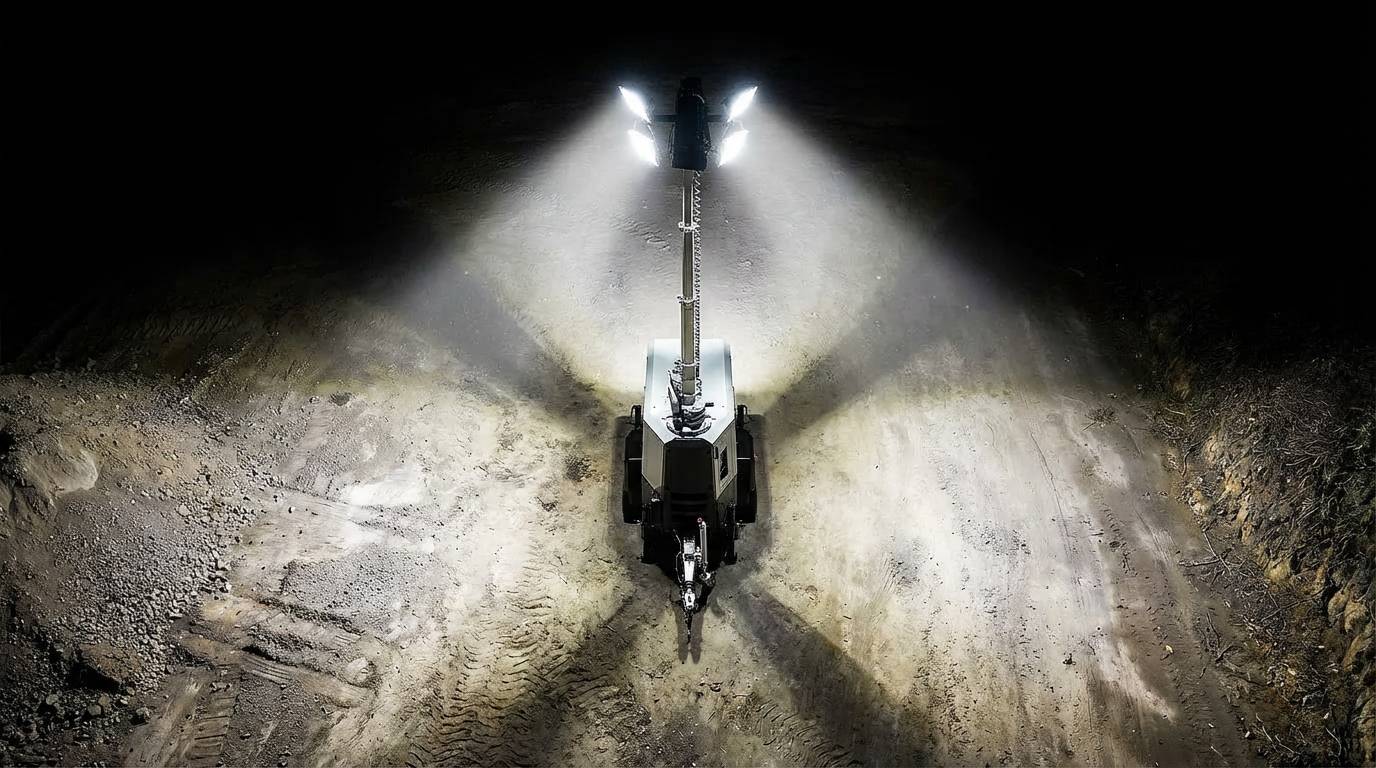
Shorter daylight hours can make light towers useful for early starts, late finishes, civil work, maintenance jobs, events, yards and temporary work areas.
Winter often brings tree work, green waste, storm clean-up and property maintenance. Chippers and splitters can help process branches, vegetation and timber more efficiently, especially on lifestyle blocks, farms, landscaping jobs and larger properties.
Portable toilets and site facilities
Wet weather can make site access and crew comfort more important. Portable toilets and other site support gear help keep the job practical and compliant.
Trailers remain useful for moving smaller gear, materials and tools, but winter towing and loading should be planned around safe access and ground conditions.
Your current organic data shows chippers and splitters are performing strongly compared with many other fleet pages, making them a useful internal link opportunity from seasonal content like this.
8. Book Early When the Forecast Looks Unsettled
Winter hire demand can move quickly. When rain is forecast, contractors often need compact diggers, dumpers, pumps, rollers, compactors, access equipment and trucks at short notice. Planning early gives you a better chance of getting the right machine for the job rather than settling for whatever is still available.
Before booking, it helps to have a few details ready:
- Site location
- Type of work
- Ground conditions
- Access width and surface
- Required dig depth, lift height or load capacity
- Material being moved or compacted
- Attachments needed
- Delivery timing
- Expected hire duration
- Any site restrictions
The more detail you can provide, the easier it is to match the gear to the job.
9. Fast Backup Matters When Conditions Change
Winter sites can change quickly. A dry accessway can become soft after a night of rain. A machine may need a different attachment. A truck may not be the right option once the ground cuts up. A compactor may need to be swapped for something better suited to the material.
That is why backup matters.
Pronto Hire’s in-house workshop team helps keep the fleet maintained and ready to work. If something changes on site, the team can help with practical advice, equipment support and fast response where possible.
Good hire support is not just about dropping off a machine. It is about helping you keep the job moving when conditions are not ideal.
Winter Hire Checklist
Before your next winter job, run through this quick checklist:
Ground conditions: Is the site soft, muddy, sloped, sensitive or likely to change after rain?
Access: Can trucks and machinery safely enter, turn and exit the site?
Machine type: Would rubber tracks, tracked dumpers or smaller gear reduce damage and improve access?
Compaction: Are you using the right compactor, rammer or roller for the material and finish required?
Material handling: How will spoil, aggregate or site material move across wet ground?
Attachments: Do you need augers, breakers, buckets, grabs or mulchers?
Water and site control: Do you need a water cart, site support gear or access track maintenance?
Access equipment: Is the ground firm and level enough for the lift you plan to use?
Timing: Have you booked early enough around weather changes and busy hire periods?
Support: Do you have a hire team that can respond if the plan changes?

Plan Your Winter Hire with Pronto Hire
Winter work does not need to stop, but it does need the right setup.
From compact excavators and tracked dumpers through to tipper trucks, rollers, compactors, water carts, access equipment, attachments, chippers and site support gear, Pronto Hire can help you choose equipment that suits the job, the access and the conditions.
If you have winter work coming up, get organised early. Talk to the team about the site, the ground conditions and what you need to achieve, and we will help point you toward the right hire gear.
Plan your winter hire today.
What machinery is best for wet or muddy job sites?
Tracked machines are often a better option in wet or muddy conditions because they can provide better traction and reduce ground pressure compared with wheeled machines. Compact excavators with rubber tracks and tracked dumpers are useful for soft, narrow or sensitive sites.
Are rubber track excavators better for residential winter work?
Rubber track excavators are a practical choice for many residential jobs because they are better suited to lawns, driveways, paved areas and tighter spaces. They can help reduce surface damage while still providing digging power for drainage, landscaping, trenching and general earthmoving.
What compactor should I hire in winter?
The right compactor depends on the job. Trench rammers are useful for narrow trenches and confined backfill. Plate compactors suit smaller areas, paving prep and reinstatement. Rollers are better for larger surfaces, access tracks, driveways, roads and civil works. Wet material may need a different approach, so it is worth checking before hiring.
When should I use a tracked dumper?
Tracked dumpers are useful when material needs to move across soft, muddy, narrow or uneven ground. They work well alongside compact excavators and can help reduce bogging or rutting where wheeled machines may struggle.
Can I hire access equipment in winter?
Yes, but ground conditions are important. Scissor lifts and boom lifts need suitable setup areas, and outdoor or uneven ground may require rough terrain access equipment. Always check the working height, surface, slope, access path and weather conditions before booking.
How early should I book winter hire equipment?
It is best to book as early as possible, especially when rain is forecast or when you need specific machines such as compact excavators, tracked dumpers, rollers, tipper trucks, water carts or access equipment. Early planning gives you a better chance of securing the right gear for the job.
Similar
Articles
Donation
Request
While we appreciate the many causes that reach out to us, we are not able to support every request we receive. We carefully evaluate each opportunity to ensure alignment with our mission and resources. Thank you for your understanding.
Request
hire
Make an
enquiry

